The rise and fall of gambling A historical perspective
Ancient Beginnings of Gambling
The history of gambling can be traced back to ancient civilizations, where games of chance were played with simple items like sticks and stones. Archaeological evidence from sites such as Mesopotamia and China suggests that people engaged in betting activities as early as 3000 BC. These early forms of gambling were often tied to rituals and cultural practices, creating a community around games that blurred the lines between leisure and spiritual beliefs. Today, platforms like Fieryplay casino embody this rich tradition in modern gaming experiences.
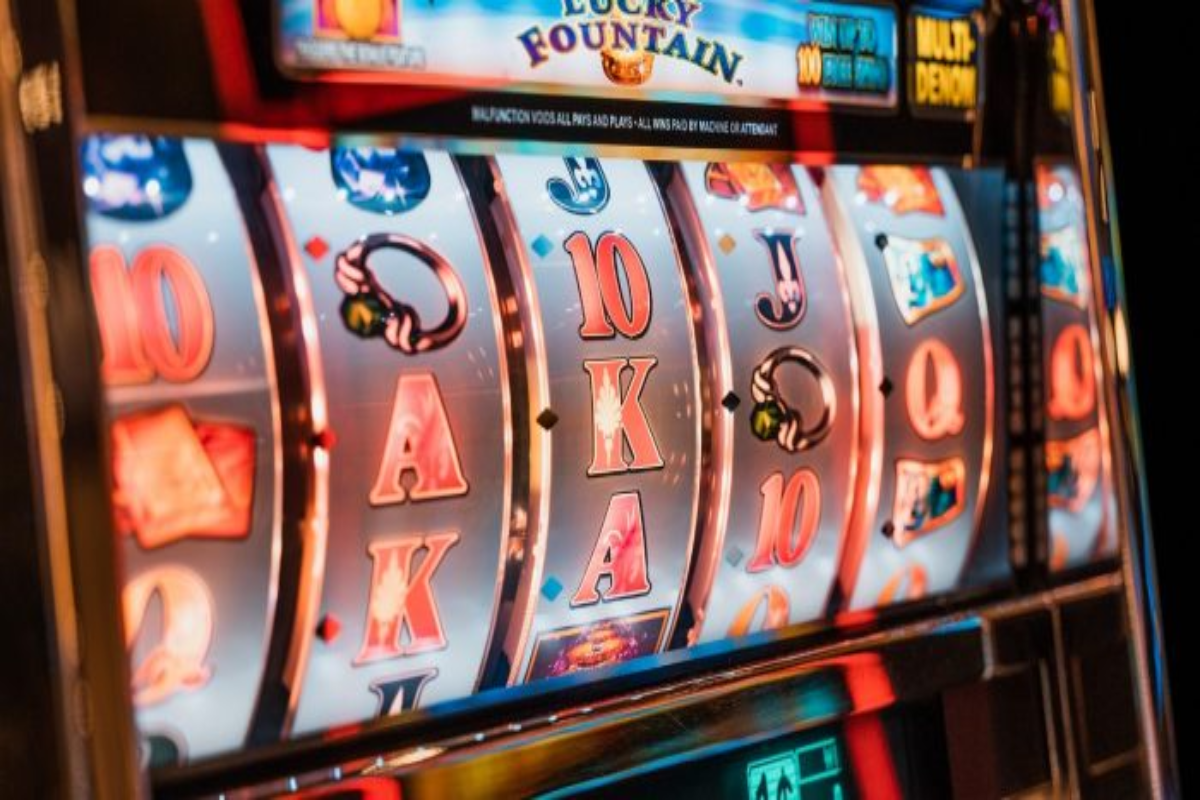
In ancient Rome, gambling became a popular pastime among citizens. The introduction of dice games and betting on gladiatorial contests showcased how gambling evolved into organized activities with specified rules. During this period, the government attempted to regulate gambling, fearing its potential to destabilize society. This duality, where gambling was both celebrated and scorned, paved the way for its complicated relationship with authority throughout history.
As societies progressed, the introduction of playing cards in the Middle Ages further revolutionized gambling. Originating from China, playing cards made their way to Europe, where they became integral to various games and betting practices. By the 15th century, gambling houses began to emerge, setting the stage for more formalized gambling structures that would later evolve into modern casinos.
The Flourishing of Gambling in the 18th and 19th Centuries
The 18th and 19th centuries marked a significant turning point in the gambling landscape, particularly in Europe and the United States. This era saw the establishment of formal gambling establishments, including the first modern casinos in cities like Venice and Monte Carlo. These luxurious venues catered to the wealthy elite, offering an array of games that epitomized sophistication and thrill. The allure of casinos attracted not only players but also spectators, fostering a vibrant gambling culture.
The American frontier also played a crucial role in the gambling boom, with saloons and gambling houses flourishing in towns during the Gold Rush. Games like poker, faro, and blackjack gained popularity, capturing the imagination of many and reflecting the risk-taking spirit of that time. The Wild West became synonymous with gambling, depicting both the excitement and dangers associated with high-stakes betting.
However, this prosperity was not without consequences. By the late 19th century, growing concerns about gambling’s social impact led to increased regulation and crackdowns. Authorities began to view gambling as a vice that could contribute to crime and moral decay, resulting in significant legal restrictions across various regions. This growing scrutiny set the stage for the complex relationship between gambling and law enforcement that continues to this day.
The Decline of Gambling: The 20th Century’s Impact
The 20th century introduced a wave of change to the gambling landscape, beginning with the Great Depression. Economic hardship led to a decline in gambling revenues, forcing many establishments to close. Yet, paradoxically, this era also sparked a resurgence in interest as states looked for ways to generate revenue. This culminated in the legalization of gambling in several states, notably Nevada, which became a haven for those seeking entertainment and economic opportunity.
During the mid-20th century, the advent of organized crime further complicated the gambling world. Mafia involvement in casinos, particularly in Las Vegas, painted a picture of glamour entwined with illegality. This association created a public perception of gambling as morally dubious and led to significant governmental investigations aimed at reforming the industry. The efforts to combat corruption eventually led to stricter regulations, impacting how gambling operated.
As the century progressed, public attitudes toward gambling began to shift. The rise of lotteries and state-sponsored gambling initiatives in the latter half of the century indicated a growing acceptance of legalized gambling. However, this acceptance was juxtaposed with ongoing concerns about addiction and its societal implications. The dichotomy of gambling as both a legitimate source of entertainment and a potential social ill set the stage for debates that are still relevant in contemporary society.
The Modern Gambling Landscape: Challenges and Innovations
The turn of the millennium heralded a new era for gambling, characterized by technological advancements and the rise of online gaming. The internet revolutionized the way people engaged with gambling, making it more accessible than ever. Online casinos, poker rooms, and sports betting platforms emerged, attracting a diverse demographic of players and reshaping traditional gambling practices. This digital transition challenged existing regulations and created a complex web of legal and ethical considerations.
Despite its growth, the online gambling industry has faced significant challenges, including regulatory hurdles and concerns about player safety. Issues such as addiction and fraud have prompted discussions about the need for responsible gaming practices. Many jurisdictions have implemented measures to protect players, reflecting an understanding of the delicate balance between encouraging economic growth and safeguarding individuals.
In recent years, the advent of cryptocurrencies and blockchain technology has introduced new possibilities for the gambling sector. These innovations offer anonymity and security, appealing to tech-savvy players seeking alternative methods for placing bets. However, the emergence of these technologies also poses regulatory challenges, as governments grapple with how to oversee and manage a rapidly evolving industry.

Fiery Play Casino: A Modern Gaming Experience
Fiery Play Casino embodies the modern evolution of gambling by offering an extensive selection of online games, including slots and live dealer options. This platform caters to both newcomers and seasoned players, providing an engaging experience that reflects the trends in today’s gambling landscape. With generous bonuses and promotions, users are encouraged to explore the various offerings while enjoying a secure and responsible gaming environment.
The casino’s commitment to responsible gaming underscores its understanding of the complexities surrounding gambling. By implementing measures to promote safe play and encourage moderation, Fiery Play Casino aims to create an enjoyable experience that prioritizes the well-being of its users. As gambling continues to evolve, platforms like Fiery Play Casino will likely remain at the forefront, shaping the future of the industry while adapting to new challenges and innovations.
Bir yanıt yazın